


 View full size
- Analýza nukleových kyselin
- Analýza proteinů
- Biochemické reagencie
- Enzymy
- Editování genů
- Klonování
- Klinická diagnostika
- STR kity - identifikace osob, určení otcovství a příbuznosti
- Laboratorní příslušenství
- Software
- A&A Biotechnology
- AdvancedSeq
- BioDynami
- Plant Cell Technology
Novinky
-
RANK 2026
Navštivte nás na jubilejním 20. ročníku odborné konference RANK 2026, která se uskuteční ve dnech 18. a 19. března v Pardubicích v ABC klubu. Konferenci pořádá Česká společnost klinické biochemie při ...
Více -
XXXV. Izakovičov memoriál 2025
S potěšením oznamujeme, že se zúčastníme prestižní konference XXXV. Izakovičov memoriál 2025, která se bude konat 8.–10. října 2025 v Grandhotelu Praha v Tatranské Lomnici na Slovensku. Izakovičov me...
Více -
1.československý kongres lékařské genetiky 2025
Na jaře se zúčastníme 1. československého kongresu lékařské genetiky, který se bude konat 2.-4. dubna 2025 v Kulturním a kongresovém centru Elektra v lázeňském městě Luhačovice. Tento jedinečný kong...
Více
View full size
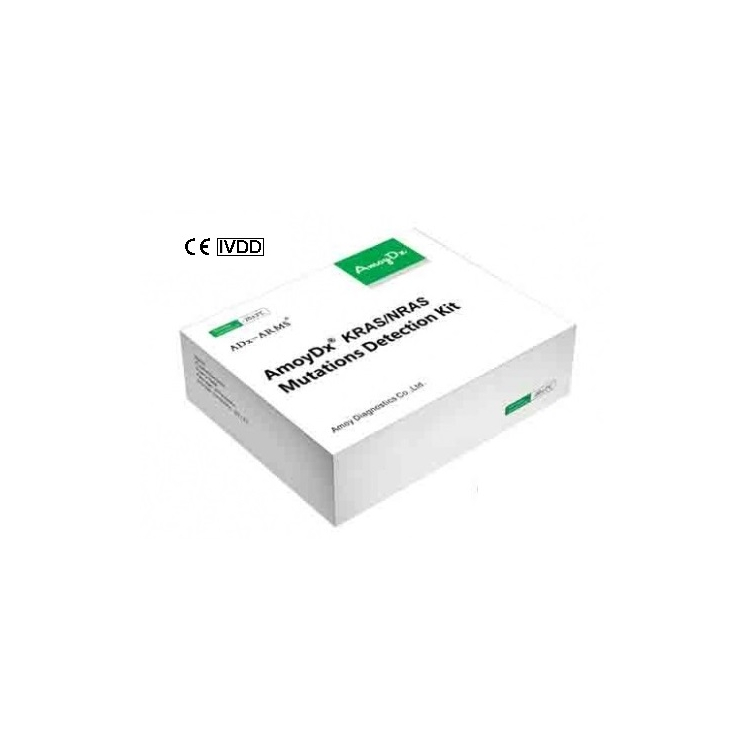
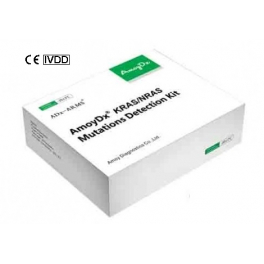
Detection of 19 KRAS mutations (exons 2, 3 and 4) and 13 NRAS mutations (exons 2, 3 and 4)
RAS protein is a GTPase and one of the key molecules in the downstream signaling pathway of epidermal growth factor receptor (EGFR). These pathways control cell proliferation, differentiation and apoptosis. Frequency of KRAS and NRAS mutations in colorectal cancer are 36~40% and 1~6% respectively. Most frequent mutations are in exons 2, 3 and 4. RAS mutation is predictive of a very poor response to cetuximab (Erbitux®) and panitumumab (Vectibix®) therapy in colorectal cancer (CRC).[1] The most reliable way to predict whether a colorectal cancer patient will respond to one of the EGFR-inhibiting drugs is to test for activating mutations in the RAS gene.

Košík
produkt
(prázdný)
Platební brána

