
 Čeština
 English
- Nowy
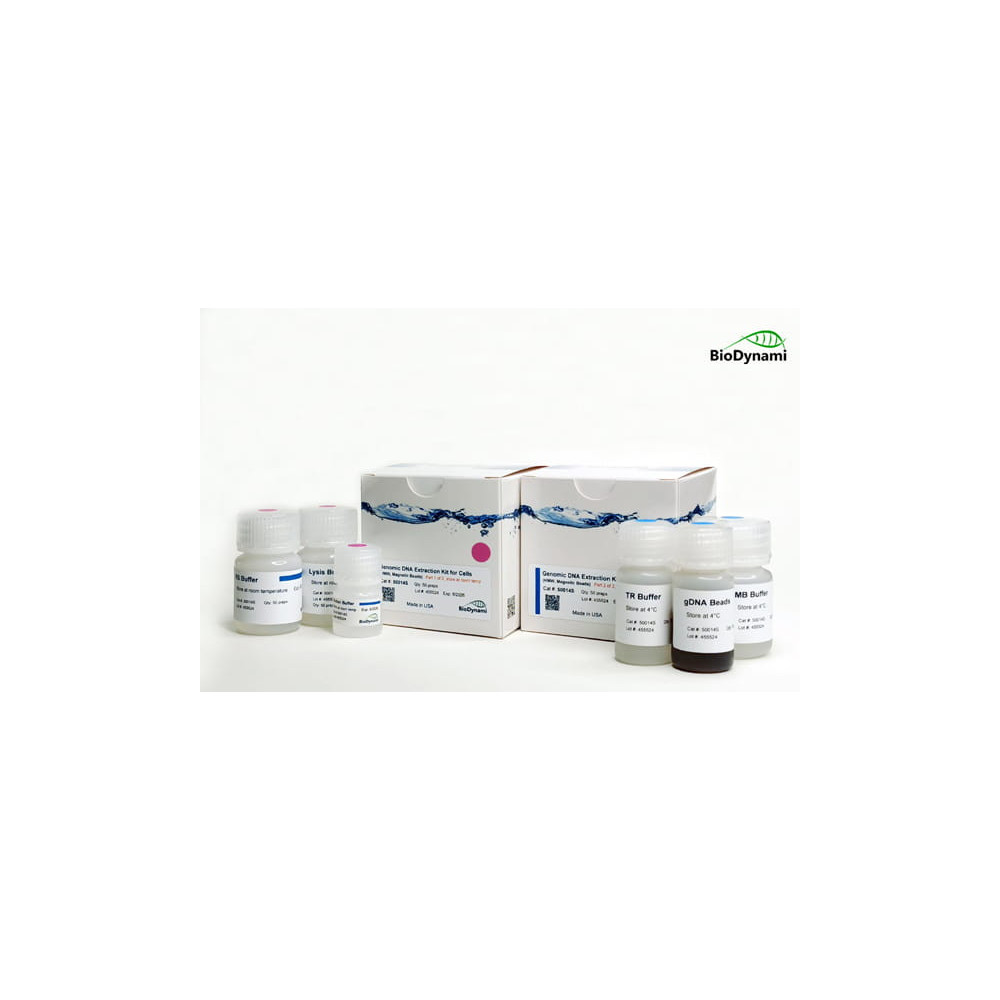
HMW genomic DNA
Column-free
Centrifuge-free
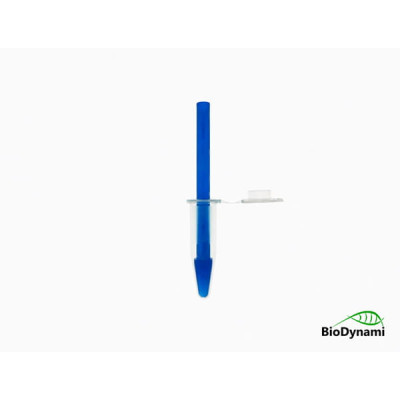
Disposable pestles
Description:
Genomic DNA Extraction Kit for Tissues (HMW, Magnetic Beads) is a kit for fast and reliable extraction of high molecular weight (HMW) genomic DNA from tissues using magnetic beads. With the proprietary magnetic bead technology, the kit eliminates the tedious centrifuge steps required for columns. The kit provides a reliable and simple approach for high-quality genomic DNA isolation with fast magnetic response time and high binding capacity. The size of the extracted DNA depends on how the beads are resuspended: 50–150 kb by tube tapping and 40–100 kb by tube vortexing. DNA is recovered at high yield and high purity without RNA contamination. The typical A260/A280 purity ratio is around 1.8–2.0 and A260/A230 around 2.2–2.5. The purified HMW genomic DNA is suitable for long-read sequencing, linked-read genome assembly, long range PCR, optical mapping and other general applications. The kit is also available in a variant with a set of disposable pestles and tubes for tissue homogenization.
A portion of the extracted genomic DNA was loaded on a pulsed-field gel electrophoresis (PFGE) gel together with a DNA ladder. The gel shows samples: A liver tissue, B intestine tissue, C whole blood and D cultured 293T cells. For this kit, sample D (cultured 293T cells) is relevant; the other samples come from the tissue and blood kits.

Features:
Applications:
Kit contents:
Equipment and reagents required but not included: magnetic particle concentrator, thermal mixer or heat block, vortexer, 1.5 mL tubes, otherwise sold separately), 80% ethanol (prepare before use).
Specification:
| Parameter | Value |
|---|---|
| Technology | magnetic beads |
| Sample type | tissue |
| Sample amount | up to 10 mg of tissue |
| Genomic DNA size | 50–150 kb (tapping), 40–100 kb (vortexing) |
| Genomic DNA yield | up to 30 µg (depending on the tissue) |
| Elution volume | 100 µL |
| A260/A280 | 1.8–2.0 |
| A260/A230 | above 2.0 |
Workflow:
The tissue is homogenized with a disposable pestle in a tube and lysed in TS Buffer with Proteinase K and RNase, for at least 45 minutes at 56 °C with agitation (or 1–3 hours in a heat block). After Lysis Buffer is added, gDNA Beads are added to bind the genomic DNA, and the tube is placed on a magnet, where the beads are captured and the supernatant is removed. The beads are washed with ethanol, resuspended in RS Buffer (by tapping or vortexing depending on the desired DNA size) and, after MB Buffer is added, the DNA binds to the beads again and is captured by the magnet. The beads are washed twice with 80% ethanol to remove remaining impurities. Finally, the purified genomic DNA is released from the beads into the Elution Buffer and, after magnetic separation, the supernatant containing the DNA is transferred to a new tube.

Genomic DNA Extraction: Tissue Samples
The tissue is homogenized and lysed, which releases the genomic DNA. The DNA binds to magnetic beads, which are captured with a magnet, so the unwanted components of the lysate are removed with the supernatant. After washing, which removes the remaining impurities, the purified DNA is released into the elution buffer. The isolated genomic DNA is free of RNA, proteins, salts and other impurities.
Genomic DNA yield:
The bar chart shows the genomic DNA yield (in µg) from four types of tissue, each prepared from 10 mg of tissue. Approximately 18.5 µg of DNA was obtained from kidney, approximately 22 µg from liver, approximately 24 µg from intestine and approximately 18.5 µg from lung. The yield therefore ranged from roughly 18 to 24 µg across all four tissues and was highest for intestine and liver. An error bar is shown for each column, indicating that the results vary only slightly.


HMW genomic DNA
From cultured cells
Centrifuge-free
HMW genomic DNA
Centrifuge-free
Column-free
HMW plant DNA
Fewer polysaccharides
Column-free
Pestle set
HMW genomic DNA
Column-free
Centrifuge-free
Bacterial genomic DNA
Centrifuge-free
Directly from culture
HMW plant DNA
Fewer polysaccharides
Column-free
HMW genomic DNA
From cultured cells
Centrifuge-free
HMW plant DNA
Fewer polysaccharides
Column-free
Bacterial genomic DNA
Centrifuge-free
Directly from culture
Disposable set
Tissue homogenization
RNase- and DNase-free
DNA from milk
Centrifuge-free
Including mastitic milk
tRNA from bacteria
Without large RNA
No phenol, no chloroform
Plasmid DNA
Centrifuge-free
Directly from culture
HMW genomic DNA
Column-free
Centrifuge-free
Disposable pestles