
 Čeština
 English

Description:
Proteinase K (also known as Protease K, Endopeptidase K, Peptidase K, or Tritirachium Alkaline Phosphatase) (EC 3.4.21.64) is a non-specific, broad-spectrum serine protease isolated from the saprophytic fungus Tritirachium album. It is not activated by metal ions, chelating agents (such as EDTA), sulfhydryl reagents, or by trypsin or chymotrypsin inhibitors. The enzyme is stable over a wide pH range (4–12.5), with optimal activity at pH 6.5–9.5. Its activity can be stimulated by adding denaturing agents like SDS and urea. The optimal temperature for Proteinase K activity is 65°C, where it is twelve times more active than at 25°C. Rapid denaturation of the enzyme occurs at temperatures above 65°C.
The dry, lyophilized powder is highly soluble (>50 mg/ml); however, stock solutions are normally 20 mg/ml. The proteinase K is completely RNase and DNase free and has a specific activity of >30 units/mg at 37°C. The recommended storage buffer is 20mM Tris-HCl (pH7.4), 1mM CaCl2, 50% glycerol. Proteinase K is stable for one year in this storage buffer and recommended storage is –20°C.
Applications:
Proteinase K is used to rapidly inactivate endogenous nucleases such as RNases and DNases during RNA or DNA isolation from tissues and cell lines, such as bovine endometrial epithelial cells for herpes viral DNA extraction, and viral RNA extraction from nasal swabs. This enzyme can also be used as a component of phase-lock and direct PCR lysis buffers to remove nucleases in the preparation of tissue sections for in situ hybridization.
Source:
Saprophytic fungus Tritirachium album.
Storage:
-20°C
Avoid repeated freeze-thaw cycles.
Storage at –20°C without glycerol may lead to precipitation of Proteinase K. Bacteria growth may occur in solutions stored at 2°C–8°C for extended periods. Ca2+ can act as a stabilizer to prevent autolysis.
Unit Definition:
One unit liberates 1 µmol of Folin-positive amino acids, measured as tyrosine, at 37°C, pH 7.5, using denatured bovine hemoglobin as the substrate.
Packaging:
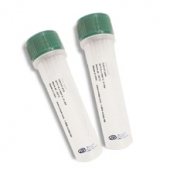
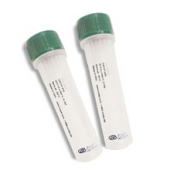
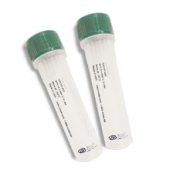
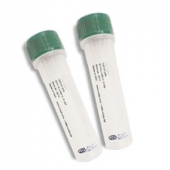
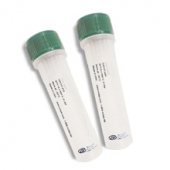
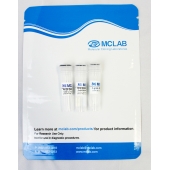
100 mg (cat. no. PKP-100)
250 mg (cat. no. PKP-200)
1 000 mg (cat. no. PKP-300)
5 000 mg (cat. no. PKP-400)

Enterokinase (EK) is an enzyme produced by cells of the duodenum and involved in human digestion.
Human Trypsin 1, encoded by the PRSS1 gene, is also known as cationic trypsinogen. It contains a signal peptide (residues 1‑15), a pro region (residues 16‑23), and a mature chain (residues 24‑247).
Kit do amplifikacji DNA RCA to nowatorski produkt opracowany specjalnie do przygotowywania matryc do sekwencjonowania DNA. Metoda RCA wykorzystuje polimerazę DNA bakteriofaga phi29 do eksponencjalnej amplifikacji jedno- lub dwuniciowych krążkowych matryc DNA poprzez amplifikację koła obrotowego (RCA).