
 Čeština
 English
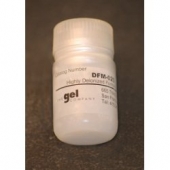
MCLAB's high-purity 30% acrylamide/bis-acrylamide solution is a safer alternative to handling powdered acrylamide.
Description
MCLAB's high-purity 30% acrylamide/bis-acrylamide solution is a safer alternative to handling powdered acrylamide.
Application:
These 30% (w/v) acrylamide/bis-acrylamide solutions are available at the most common ratios for use in protein and nucleic acid electrophoresis. The concentration is based on the total weight of both the acrylamide and bis-acrylamide.
Recommended Storage Conditions: 2-8 °C
|
Name |
Cat# |
Description |
|
Acrylamide/Bis Solution, 30% |
ABS30-100 |
500 ml, 30% acrylamide and bis-acrylamide solution, 19:1 |
|
Acrylamide/Bis Solution, 30% |
ABS30-200 |
500 ml, 30% acrylamide and bis-acrylamide solution, 29:1 |
|
Acrylamide/Bis Solution, 30% |
ABS30-300 |
500 ml, 30% acrylamide and bis-acrylamide solution, 37.5:1 |
|
Acrylamide/Bis Solution, 30% |
ABS30-400 |
1 l, 30% acrylamide and bis-acrylamide solution, 19:1 |
|
Acrylamide/Bis Solution, 30% |
ABS30-500 |
1 l, 30% acrylamide and bis-acrylamide solution, 29:1 |
|
Acrylamide/Bis Solution, 30% |
ABS30-600 |
1 l, 30% acrylamide and bis-acrylamide solution, 37.5:1 |
Used to select for ampicillin resistance in mutated and transformed cells.
TE Buffer is a common molecular biology buffer used for protection of DNA and RNA from degradation. The Tris buffering agent and EDTA metal chelating properties help to protect DNA and RNA.
5M solution of sodium chloride (NaCl) in high purity dH2O. Solution is 0.2 μm filtered and dispensed into durable, square Nalgene bottles.
TWEEN 20 helps to prevent non-specific antibody binding in enzyme immunoassay as a washing agent (e.g. Western blots and ELISAs). In this major application, it is dissolved in Tris-Buffered Saline or Phosphate buffered saline at dilutions of 0.05% to 0.5% v/v.
CHAPS (3-[(3-cholamidopropyl)dimethylammonio]-1-propanesulfonate ) is a zwitterionic detergent used to solubilize proteins. It is used as a non-denaturing solvent in the process of protein purification and is especially useful in purifying membrane proteins.
Kanamycin Sulfate solution is an aminoglycoside antibiotic consisting of a six-membered aminocyclitol ring attached to aminosugar side chains through glycosidic bonds. Kanamycin Sulfate solution acts by inhibiting protein synthesis, and compromising translational fidelity in susceptible bacteria.
TWEEN-40 is a class of emulsifiers used in some pharmaceutical and food preparations. It is often used in cosmetics to solubilize essential oils into water-based products. Polysorbates are oily liquid derived from PEGylated sorbitan (a derivative of sorbitol) esterified with fatty acids.
IPTG (isopropyl-beta-D-thiogalactopyranoside) is a highly stable synthetic analog of lactose. It inactivates the lac repressor and induces synthesis of beta-galactosidase, an enzyme that promotes lactose utilization. IPTG is used to induce expression of cloned genes under the control of the lac operon.
Ammonium Sulfate. (NH4)2SO4 is an inorganic salt with a number of commercial uses.
A routine use of agarose is ideal for daily analysis of nucleic acids by gel electrophoresis or blotting (Northern or Southern) and is also suitable for protein applications such as Ouchterlony and radial immunodiffusion (RID). It has low ethidium bromide and SYBR Green background staining.
MCLAB’s 7M Guanidine-HCl Solution is a ready-to-use solution of guanidine hydrochloride, which can be easily diluted and pH-adjusted to any concentration below 7M.
Ammonium acetate is a widely used reagent in molecular biology and chromatography. Suitable applications include the purification and precipitation of DNA and protein crystallization. Ammonium acetate is commonly used in HPLC and MS analysis of various compounds, such as oligosaccharides, proteins, and peptides.
LB Agar plates contain 1.0% Tryptone, 0.5% yeast extract, 0.5% NaCl, 1.5% agar.
MCLAB's high-purity 30% acrylamide/bis-acrylamide solution is a safer alternative to handling powdered acrylamide.