
 Čeština
 Polski
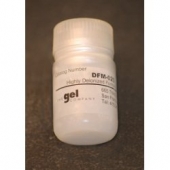
25% Triton X-100 is a commonly used detergent in laboratories.
Description
Triton X-100 is a commonly used detergent in laboratories[1]. For example:
Permeabilize unfixed (or lightly fixed) eukaryotic cell membranes.
Used in conjunction with zwitterionic detergents such as CHAPS to solubilize membrane proteins in their native state.
Used in DNA extraction as part of the lysis buffer (usually in a 5% solution in alkaline lysis buffer).
Reduce surface tension of aqueous solutions during immunostaining (usually in concentration of 0.1-0.5% in TBS or PBS Buffer).
Emerging use in dispersion of carbon materials for soft composite materials
Used in microbiology to restrict colony expansion in Aspergillus nidulans.
EDTA, 0.5 M, pH 8.0, is a sterile-filtered solution of 0.5 M EDTA in H2O treated with diethyl pyrocarbonate (DEPC).
CHAPSO (3-[(3-cholamidopropyl)dimethylammonio]-2-hydroxy-1-propanesulfonate) is a zwitterionic detergent used to solubilize proteins. Due to its low light absorbance in the ultraviolet region of the electromagnetic spectrum, CHAPSO is useful for researchers monitoring ongoing chemical reactions or protein-protein binding with UV/Vis spectroscopy.
Kanamycin Sulfate solution is an aminoglycoside antibiotic consisting of a six-membered aminocyclitol ring attached to aminosugar side chains through glycosidic bonds. Kanamycin Sulfate solution acts by inhibiting protein synthesis, and compromising translational fidelity in susceptible bacteria.
Ammonium acetate is a widely used reagent in molecular biology and chromatography. Suitable applications include the purification and precipitation of DNA and protein crystallization. Ammonium acetate is commonly used in HPLC and MS analysis of various compounds, such as oligosaccharides, proteins, and peptides.
DEPC-treated Water is deionized, high quality, molecular biology grade water.
Bovine Serum Albumin (BSA) has many uses as a carrier protein and as a stabilizing agent in enzymatic reactions. MCLAB’s Ultrapure BSA is a "non-acetylated" BSA, pure enough to use when the integrity of DNA or RNA is essential. It has been tested for DNase, RNase, endonuclease, protease, peroxidase, and alkaline phosphatase activity, and assayed for fluorescence background.
TWEEN 20 helps to prevent non-specific antibody binding in enzyme immunoassay as a washing agent (e.g. Western blots and ELISAs). In this major application, it is dissolved in Tris-Buffered Saline or Phosphate buffered saline at dilutions of 0.05% to 0.5% v/v.
The loading dye increases the density of the sample and adds colours to the sample, thereby simplifying the loading process. The solution contains dyes that, in a electric field, move toward the anode at predictable rates.
LB Agar plates contain 1.0% Tryptone, 0.5% yeast extract, 0.5% NaCl, 1.5% agar.
Sodium hydroxide is commonly used in the clandestine production of methamphetamine to change the pH of the solution to a basic pH so that it can become soluble in an organic solution.
Reported use in all phases of detergent compounding and aqueous processing in the textile and paper industries, in industrial metal cleaners, acid cleaners, floor cleaners, detergent sanitizers and waterless hand cleaners.
TRITON X-114 is used in biochemical applications to solubilize and separate proteins due to its low cloud point (23 °C).
SDS, sodium dodecyl sulfate is an anionic surfactant. SDS is commonly used in laboratory as a component of buffer for cell lysis, cell lysis during DNA extraction, and mostly in SDS-PAGE running buffer. Indeed, SDS is an anionic detergent applied to protein samples to linearize proteins and to impart a negative charge to linearized proteins.
A routine use of agarose is ideal for daily analysis of nucleic acids by gel electrophoresis or blotting (Northern or Southern) and is also suitable for protein applications such as Ouchterlony and radial immunodiffusion (RID). It has low ethidium bromide and SYBR Green background staining.
25% Triton X-100 is a commonly used detergent in laboratories.