
 Čeština
 Polski

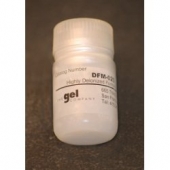
D-(+)-Glucose is a common natural sugar involved in processes such as energy production, glycosylation, and formation of glycans that provide structure to cells. Glucose is involved in a detrimental process in cells called glycation. Glucose is used as a supplement for cell culture and in numerous cellular processes and molecular biology applications.
Description:
D-(+)-Glucose is a common natural sugar involved in processes such as energy production, glycosylation, and formation of glycans that provide structure to cells. Glucose is involved in a detrimental process in cells called glycation. Glucose is used as a supplement for cell culture and in numerous cellular processes and molecular biology applications.
Molecular Formula: C6H12O6
Recommended Storage Condition: Room temperature

Ammonium Sulfate. (NH4)2SO4 is an inorganic salt with a number of commercial uses.
Linear acrylamide is widely used as one of the coprecipitants which are inert substances used to aid recovery of nucleic acids before alcohol precipitations.
TRITON X-114 is used in biochemical applications to solubilize and separate proteins due to its low cloud point (23 °C).
MCLAB's high-purity 30% acrylamide/bis-acrylamide solution is a safer alternative to handling powdered acrylamide.
5M solution of sodium chloride (NaCl) in high purity dH2O. Solution is 0.2 μm filtered and dispensed into durable, square Nalgene bottles.
The loading dye increases the density of the sample and adds colours to the sample, thereby simplifying the loading process. The solution contains dyes that, in a electric field, move toward the anode at predictable rates.
MCLAB’s 7M Guanidine-HCl Solution is a ready-to-use solution of guanidine hydrochloride, which can be easily diluted and pH-adjusted to any concentration below 7M.
Kanamycin Sulfate solution is an aminoglycoside antibiotic consisting of a six-membered aminocyclitol ring attached to aminosugar side chains through glycosidic bonds. Kanamycin Sulfate solution acts by inhibiting protein synthesis, and compromising translational fidelity in susceptible bacteria.
Used to select for ampicillin resistance in mutated and transformed cells.
The β-galactosidase substrate X-Gal (5-bromo-4-chloro-3-indolyl-β-D-galactopyranoside) is a chromogenic stain for β-gal activity, and is commonly used to distinguish between recombinants and nonrecombinants by lacZ α-complementation with appropriate vectors and hosts.
Buffer EB is the elution buffer used in many Qiagen kits, e.g. PCR, Gel Extraction, Nucleotide Removal Kits, MinElute Kits and the QIAprep Miniprep Kits for DNA cleanup or small-scale plasmid purification. The purified DNA can also be eluted in TE (10 mM Tris-Cl, 1 mM EDTA, pH 8.0), but the EDTA may inhibit certain subsequent enzymatic reactions.
TAE buffer is the most commonly used buffer for DNA agarose gel electrophoresis but is also used for non-denaturing RNA agarose gel electrophoresis1. Double-stranded DNA tends to run faster in TAE than in other buffers but can also become exhausted during extended electrophoresis.
A routine use of agarose is ideal for daily analysis of nucleic acids by gel electrophoresis or blotting (Northern or Southern) and is also suitable for protein applications such as Ouchterlony and radial immunodiffusion (RID). It has low ethidium bromide and SYBR Green background staining.
D-(+)-Glucose is a common natural sugar involved in processes such as energy production, glycosylation, and formation of glycans that provide structure to cells. Glucose is involved in a detrimental process in cells called glycation. Glucose is used as a supplement for cell culture and in numerous cellular processes and molecular biology applications.