
 Čeština
 Polski
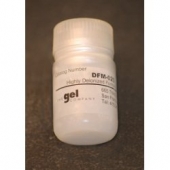
TWEEN-40 is a class of emulsifiers used in some pharmaceutical and food preparations. It is often used in cosmetics to solubilize essential oils into water-based products. Polysorbates are oily liquid derived from PEGylated sorbitan (a derivative of sorbitol) esterified with fatty acids.
Description
TWEEN-40 is a class of emulsifiers used in some pharmaceutical and food preparations. It is often used in cosmetics to solubilize essential oils into water-based products. Polysorbates are oily liquid derived from PEGylated sorbitan (a derivative of sorbitol) esterified with fatty acids.
Application
Non-ionic detergent used for cell lysis, nuclei isolation and cell fractionation.

D-(+)-Glucose is a common natural sugar involved in processes such as energy production, glycosylation, and formation of glycans that provide structure to cells. Glucose is involved in a detrimental process in cells called glycation. Glucose is used as a supplement for cell culture and in numerous cellular processes and molecular biology applications.
Acetylated BSA is used as a carrier protein and an enzyme stabilizer in which the absence of contaminants such as nucleases and proteases is vital. The acetylation process inactivates any trace of active nuclease activity. While the acetylation process does change BSA's binding characteristics and makes it inhibitory in PCR reactions, it is normally added to restriction digests.
Sodium hydroxide is commonly used in the clandestine production of methamphetamine to change the pH of the solution to a basic pH so that it can become soluble in an organic solution.
DEPC-treated Water is deionized, high quality, molecular biology grade water.
CHAPSO (3-[(3-cholamidopropyl)dimethylammonio]-2-hydroxy-1-propanesulfonate) is a zwitterionic detergent used to solubilize proteins. Due to its low light absorbance in the ultraviolet region of the electromagnetic spectrum, CHAPSO is useful for researchers monitoring ongoing chemical reactions or protein-protein binding with UV/Vis spectroscopy.
TRITON X-114 is used in biochemical applications to solubilize and separate proteins due to its low cloud point (23 °C).
25% Triton X-100 is a commonly used detergent in laboratories.
Bovine Serum Albumin (BSA) has many uses as a carrier protein and as a stabilizing agent in enzymatic reactions. MCLAB’s Ultrapure BSA is a "non-acetylated" BSA, pure enough to use when the integrity of DNA or RNA is essential. It has been tested for DNase, RNase, endonuclease, protease, peroxidase, and alkaline phosphatase activity, and assayed for fluorescence background.
TE Buffer is a common molecular biology buffer used for protection of DNA and RNA from degradation. The Tris buffering agent and EDTA metal chelating properties help to protect DNA and RNA.
TAE buffer is the most commonly used buffer for DNA agarose gel electrophoresis but is also used for non-denaturing RNA agarose gel electrophoresis1. Double-stranded DNA tends to run faster in TAE than in other buffers but can also become exhausted during extended electrophoresis.
TWEEN 20 helps to prevent non-specific antibody binding in enzyme immunoassay as a washing agent (e.g. Western blots and ELISAs). In this major application, it is dissolved in Tris-Buffered Saline or Phosphate buffered saline at dilutions of 0.05% to 0.5% v/v.
MCLAB's RNA Storage Buffer, with optimized reagents and pH value, provides better preservation and greater RNA stability for valuable RNA samples than the standard EDTA and TE Buffer or just water.
Ammonium Persulfate (APS) is an oxidizing agent that is used with TEMED to catalyze the polymerization of acrylamide and bisacrylamide to prepare polyacrylamide gels for electrophoresis.
TWEEN-40 is a class of emulsifiers used in some pharmaceutical and food preparations. It is often used in cosmetics to solubilize essential oils into water-based products. Polysorbates are oily liquid derived from PEGylated sorbitan (a derivative of sorbitol) esterified with fatty acids.