
 Čeština
 Polski
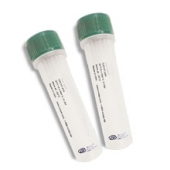
Description:
APE1, also known as HAP1 or Ref1, acts as an AP lyase by hydrolyzing the phosphodiester backbone at the 5′-end of an apurinic (AP) site, generating a 1 base gap in the DNA duplex and leaving 3′-hydroxyl and 5′-deoxyribose phosphate termini. Evidence suggests that APE1 may exhibit weak DNA 3′-diesterase, 3′ to 5′-exonuclease and RNase H activities.
The specific activity is 2,000,000 U/mg. The concentration of the supplied enzyme is 15,000 U/ml.
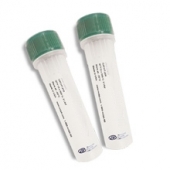
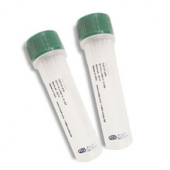
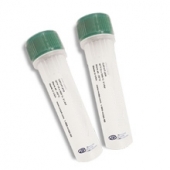
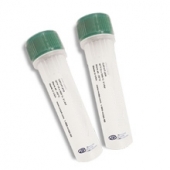
The package includes a 10X green buffer (200 mM Tris-acetate; 500 mM potassium acetate; 10 mM dithiothreitol; 100 mM magnesium acetate, pH 7.9 at 25°C).
Applications:

Ready-to-use
Fast and easy ligation
Versatile use
High efficiency
Low GC bias
Input DNA: 500 pg to 1 µg
Ready-to-use
Fast and easy ligation
Versatile use
Fast and easy ligation
High efficiency
Optimized formulation
Ready-to-use
Fast and easy ligation
Suitable even for challenging ligations