
 Čeština
 Polski

Used to select for ampicillin resistance in mutated and transformed cells.
Description
Ampicillin sodium is a member of the extended spectrum β-lactam family and similar in structure to penicillin. Ampicillin resistance is due to cells containing plasmid encoded ESBLs. Ampicillin Sodium is freely soluble in water.
Ampicillin sodium targets non ESBL (Extended Spectrum β-lactamase) bacteria including Staphylococcus and Streptococcus species and medically important enteric pathogens such as Shigella and Salmonella. Interestingly, ampicillin has been found to be effective against certain β-lactam sensitive VRE or vancomycin resistant Enterococcus; a glycopeptide antibiotic resistant "superbug." Resistance to ampicillin is routinely utilized as a selectable marker to confirm successful cell transformation.
Application
Used to select for ampicillin resistance in mutated and transformed cells.
Product Specifications
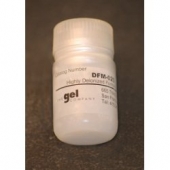
Sodium Ampicillin in H2O
(100 mg/ml Pre-Made Solution, 0.2µm Sterile Filtered)
Formula: C16H19N3O4S
Molecular Weight: 403.45
Recommended Storage Conditions: 2-8 °C

Brij-35 (30% Solution) is a nonionic polyoxyethylene surfactant that is most frequently used as a component of cell lysis buffers or as a surfactant in various HPLC applications.
Phosphate-buffered saline (PBS) is a balanced salt solution that is used for a variety of cell culture applications, such as washing cells before dissociation, transporting cells or tissue samples, diluting cells for counting, and preparing reagents. PBS is formulated without calcium and magnesium for rinsing chelators from the culture before cell dissociation.
5M solution of sodium chloride (NaCl) in high purity dH2O. Solution is 0.2 μm filtered and dispensed into durable, square Nalgene bottles.
D-(+)-Glucose is a common natural sugar involved in processes such as energy production, glycosylation, and formation of glycans that provide structure to cells. Glucose is involved in a detrimental process in cells called glycation. Glucose is used as a supplement for cell culture and in numerous cellular processes and molecular biology applications.
Low concentration solutions of DNA are prone to DNA degradation or other loss. It is critical that optimal methods are employed for DNA suspension and long-term storage.
TRITON X-114 is used in biochemical applications to solubilize and separate proteins due to its low cloud point (23 °C).
CHAPS (3-[(3-cholamidopropyl)dimethylammonio]-1-propanesulfonate ) is a zwitterionic detergent used to solubilize proteins. It is used as a non-denaturing solvent in the process of protein purification and is especially useful in purifying membrane proteins.
EDTA, 0.5 M, pH 8.0, is a sterile-filtered solution of 0.5 M EDTA in H2O treated with diethyl pyrocarbonate (DEPC).
Tris Buffered Saline (TBS) is an isotonic, non-toxic buffer used in some biomedical techniques to maintain pH within a relatively narrow range. TBS can shift pH relatively drastically as temperature changes, with the pKa declining approximately 0.03 units per degree Celsius rise in temperature.
TWEEN 20 helps to prevent non-specific antibody binding in enzyme immunoassay as a washing agent (e.g. Western blots and ELISAs). In this major application, it is dissolved in Tris-Buffered Saline or Phosphate buffered saline at dilutions of 0.05% to 0.5% v/v.
Ammonium acetate is a widely used reagent in molecular biology and chromatography. Suitable applications include the purification and precipitation of DNA and protein crystallization. Ammonium acetate is commonly used in HPLC and MS analysis of various compounds, such as oligosaccharides, proteins, and peptides.
Ammonium Persulfate (APS) is an oxidizing agent that is used with TEMED to catalyze the polymerization of acrylamide and bisacrylamide to prepare polyacrylamide gels for electrophoresis.
MCLAB's high-purity 30% acrylamide/bis-acrylamide solution is a safer alternative to handling powdered acrylamide.
Used to select for ampicillin resistance in mutated and transformed cells.