
 Čeština
 Polski
Linear acrylamide is widely used as one of the coprecipitants which are inert substances used to aid recovery of nucleic acids before alcohol precipitations.
Description:
Linear acrylamide is widely used as one of the coprecipitants which are inert substances used to aid recovery of nucleic acids before alcohol precipitations. It is chemically synthesized and is the most ideal for use upstream of RT-PCR without biological material contaminating. It has been shown to be able to separate picogram amounts of DNA fragments larger than 20 base pairs from unincorporated nucleotides and from most of the oligonucleotide primers.
The Coprecipitant Linear Acrylamide is not interfering with A260/280 readings.
Applications:
Recommended Storage Condition: -20°C
LB Agar plates contain 1.0% Tryptone, 0.5% yeast extract, 0.5% NaCl, 1.5% agar.
Ammonium Sulfate. (NH4)2SO4 is an inorganic salt with a number of commercial uses.
Tris Buffered Saline (TBS) is an isotonic, non-toxic buffer used in some biomedical techniques to maintain pH within a relatively narrow range. TBS can shift pH relatively drastically as temperature changes, with the pKa declining approximately 0.03 units per degree Celsius rise in temperature.
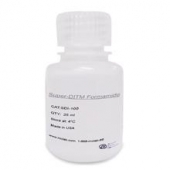
The Super-DITM Formamide is the recommended sample loading buffer for all ABI sequencers.
Buffer EB is the elution buffer used in many Qiagen kits, e.g. PCR, Gel Extraction, Nucleotide Removal Kits, MinElute Kits and the QIAprep Miniprep Kits for DNA cleanup or small-scale plasmid purification. The purified DNA can also be eluted in TE (10 mM Tris-Cl, 1 mM EDTA, pH 8.0), but the EDTA may inhibit certain subsequent enzymatic reactions.
Used to select for ampicillin resistance in mutated and transformed cells.
5M solution of sodium chloride (NaCl) in high purity dH2O. Solution is 0.2 μm filtered and dispensed into durable, square Nalgene bottles.
CHAPS (3-[(3-cholamidopropyl)dimethylammonio]-1-propanesulfonate ) is a zwitterionic detergent used to solubilize proteins. It is used as a non-denaturing solvent in the process of protein purification and is especially useful in purifying membrane proteins.
Sodium hydroxide is commonly used in the clandestine production of methamphetamine to change the pH of the solution to a basic pH so that it can become soluble in an organic solution.
Ammonium acetate is a widely used reagent in molecular biology and chromatography. Suitable applications include the purification and precipitation of DNA and protein crystallization. Ammonium acetate is commonly used in HPLC and MS analysis of various compounds, such as oligosaccharides, proteins, and peptides.
Bovine Serum Albumin (BSA) has many uses as a carrier protein and as a stabilizing agent in enzymatic reactions. MCLAB’s Ultrapure BSA is a "non-acetylated" BSA, pure enough to use when the integrity of DNA or RNA is essential. It has been tested for DNase, RNase, endonuclease, protease, peroxidase, and alkaline phosphatase activity, and assayed for fluorescence background.
MCLAB’s 7M Guanidine-HCl Solution is a ready-to-use solution of guanidine hydrochloride, which can be easily diluted and pH-adjusted to any concentration below 7M.
D-(+)-Glucose is a common natural sugar involved in processes such as energy production, glycosylation, and formation of glycans that provide structure to cells. Glucose is involved in a detrimental process in cells called glycation. Glucose is used as a supplement for cell culture and in numerous cellular processes and molecular biology applications.
CHAPSO (3-[(3-cholamidopropyl)dimethylammonio]-2-hydroxy-1-propanesulfonate) is a zwitterionic detergent used to solubilize proteins. Due to its low light absorbance in the ultraviolet region of the electromagnetic spectrum, CHAPSO is useful for researchers monitoring ongoing chemical reactions or protein-protein binding with UV/Vis spectroscopy.
SDS, sodium dodecyl sulfate is an anionic surfactant. SDS is commonly used in laboratory as a component of buffer for cell lysis, cell lysis during DNA extraction, and mostly in SDS-PAGE running buffer. Indeed, SDS is an anionic detergent applied to protein samples to linearize proteins and to impart a negative charge to linearized proteins.
MCLAB's high-purity 30% acrylamide/bis-acrylamide solution is a safer alternative to handling powdered acrylamide.
D-(+)-Glucose is a common natural sugar involved in processes such as energy production, glycosylation, and formation of glycans that provide structure to cells. Glucose is involved in a detrimental process in cells called glycation. Glucose is used as a supplement for cell culture and in numerous cellular processes and molecular biology applications.
TWEEN 20 helps to prevent non-specific antibody binding in enzyme immunoassay as a washing agent (e.g. Western blots and ELISAs). In this major application, it is dissolved in Tris-Buffered Saline or Phosphate buffered saline at dilutions of 0.05% to 0.5% v/v.
Linear acrylamide is widely used as one of the coprecipitants which are inert substances used to aid recovery of nucleic acids before alcohol precipitations.