
 Čeština
 Polski

Low concentration solutions of DNA are prone to DNA degradation or other loss. It is critical that optimal methods are employed for DNA suspension and long-term storage.
Ammonium acetate is a widely used reagent in molecular biology and chromatography. Suitable applications include the purification and precipitation of DNA and protein crystallization. Ammonium acetate is commonly used in HPLC and MS analysis of various compounds, such as oligosaccharides, proteins, and peptides.
A routine use of agarose is ideal for daily analysis of nucleic acids by gel electrophoresis or blotting (Northern or Southern) and is also suitable for protein applications such as Ouchterlony and radial immunodiffusion (RID). It has low ethidium bromide and SYBR Green background staining.
D-(+)-Glucose is a common natural sugar involved in processes such as energy production, glycosylation, and formation of glycans that provide structure to cells. Glucose is involved in a detrimental process in cells called glycation. Glucose is used as a supplement for cell culture and in numerous cellular processes and molecular biology applications.
Phosphate-buffered saline (PBS) is a balanced salt solution that is used for a variety of cell culture applications, such as washing cells before dissociation, transporting cells or tissue samples, diluting cells for counting, and preparing reagents. PBS is formulated without calcium and magnesium for rinsing chelators from the culture before cell dissociation.
SDS, sodium dodecyl sulfate is an anionic surfactant. SDS is commonly used in laboratory as a component of buffer for cell lysis, cell lysis during DNA extraction, and mostly in SDS-PAGE running buffer. Indeed, SDS is an anionic detergent applied to protein samples to linearize proteins and to impart a negative charge to linearized proteins.
Brij-35 (30% Solution) is a nonionic polyoxyethylene surfactant that is most frequently used as a component of cell lysis buffers or as a surfactant in various HPLC applications.
Linear acrylamide is widely used as one of the coprecipitants which are inert substances used to aid recovery of nucleic acids before alcohol precipitations.
Bovine Serum Albumin (BSA) has many uses as a carrier protein and as a stabilizing agent in enzymatic reactions. MCLAB’s Ultrapure BSA is a "non-acetylated" BSA, pure enough to use when the integrity of DNA or RNA is essential. It has been tested for DNase, RNase, endonuclease, protease, peroxidase, and alkaline phosphatase activity, and assayed for fluorescence background.
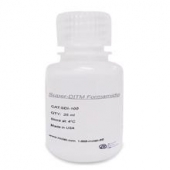
The Super-DITM Formamide is the recommended sample loading buffer for all ABI sequencers.
TWEEN-40 is a class of emulsifiers used in some pharmaceutical and food preparations. It is often used in cosmetics to solubilize essential oils into water-based products. Polysorbates are oily liquid derived from PEGylated sorbitan (a derivative of sorbitol) esterified with fatty acids.
5M solution of sodium chloride (NaCl) in high purity dH2O. Solution is 0.2 μm filtered and dispensed into durable, square Nalgene bottles.
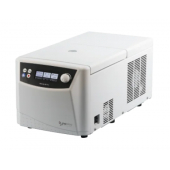
Capacity: 0.2 ml / 2 ml / 5 ml
Maximum speed: 15,000 RPM
Temperature Setting Range: -20 °C to +40 °C