
 Čeština
 Polski
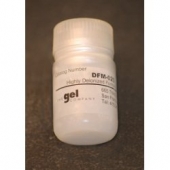
HEPES Solution is a biological buffer useful in cell culture media. Selection of suitable nutrient medium is dependent on type of cell, conditions of culture, and degree of chemical definition required for the cell culture application.
Description
HEPES Solution is a biological buffer useful in cell culture media. Selection of suitable nutrient medium is dependent on cell type, culture conditions, and degree of chemical definition required for the cell culture application.
Application
HEPES is an organic zwitterionic buffering agent effective in the physiological pH range of 6.8 to 8.2 (pKa 7.55). It is typically used in cell culture at concentration between 5mM to 30 mM. This product has been qualified for use in cell culture.
pH: 7.5
Recommended Storage Condition: 4°C
25% Triton X-100 is a commonly used detergent in laboratories.
Ammonium Persulfate (APS) is an oxidizing agent that is used with TEMED to catalyze the polymerization of acrylamide and bisacrylamide to prepare polyacrylamide gels for electrophoresis.
Brij-35 (30% Solution) is a nonionic polyoxyethylene surfactant that is most frequently used as a component of cell lysis buffers or as a surfactant in various HPLC applications.
Buffer EB is the elution buffer used in many Qiagen kits, e.g. PCR, Gel Extraction, Nucleotide Removal Kits, MinElute Kits and the QIAprep Miniprep Kits for DNA cleanup or small-scale plasmid purification. The purified DNA can also be eluted in TE (10 mM Tris-Cl, 1 mM EDTA, pH 8.0), but the EDTA may inhibit certain subsequent enzymatic reactions.
Reported use in all phases of detergent compounding and aqueous processing in the textile and paper industries, in industrial metal cleaners, acid cleaners, floor cleaners, detergent sanitizers and waterless hand cleaners.
A routine use of agarose is ideal for daily analysis of nucleic acids by gel electrophoresis or blotting (Northern or Southern) and is also suitable for protein applications such as Ouchterlony and radial immunodiffusion (RID). It has low ethidium bromide and SYBR Green background staining.
5M solution of sodium chloride (NaCl) in high purity dH2O. Solution is 0.2 μm filtered and dispensed into durable, square Nalgene bottles.
CHAPS (3-[(3-cholamidopropyl)dimethylammonio]-1-propanesulfonate ) is a zwitterionic detergent used to solubilize proteins. It is used as a non-denaturing solvent in the process of protein purification and is especially useful in purifying membrane proteins.
Contains 100% active components and is a mixture of organic non - silicone polypropylene based polyether dispersions. Can be sterilized repeatedly.
Kanamycin Sulfate solution is an aminoglycoside antibiotic consisting of a six-membered aminocyclitol ring attached to aminosugar side chains through glycosidic bonds. Kanamycin Sulfate solution acts by inhibiting protein synthesis, and compromising translational fidelity in susceptible bacteria.
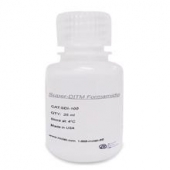
The Super-DITM Formamide is the recommended sample loading buffer for all ABI sequencers.
SDS, sodium dodecyl sulfate is an anionic surfactant. SDS is commonly used in laboratory as a component of buffer for cell lysis, cell lysis during DNA extraction, and mostly in SDS-PAGE running buffer. Indeed, SDS is an anionic detergent applied to protein samples to linearize proteins and to impart a negative charge to linearized proteins.
TRITON X-114 is used in biochemical applications to solubilize and separate proteins due to its low cloud point (23 °C).
MCLAB's high-purity 30% acrylamide/bis-acrylamide solution is a safer alternative to handling powdered acrylamide.
HEPES Solution is a biological buffer useful in cell culture media. Selection of suitable nutrient medium is dependent on type of cell, conditions of culture, and degree of chemical definition required for the cell culture application.